
Shipping a vehicle internationally requires careful planning, the right documents, and a clear understanding of import regulations. Whether you are relocating, purchasing a car in the United Kingdom, or sending a vehicle to a family member in Namibia, preparation can help you avoid delays, unexpected costs, and unnecessary stress. Car shipping from UK to Namibia involves several important steps, including choosing a shipping method, checking Namibian import requirements, preparing your vehicle, and arranging customs clearance.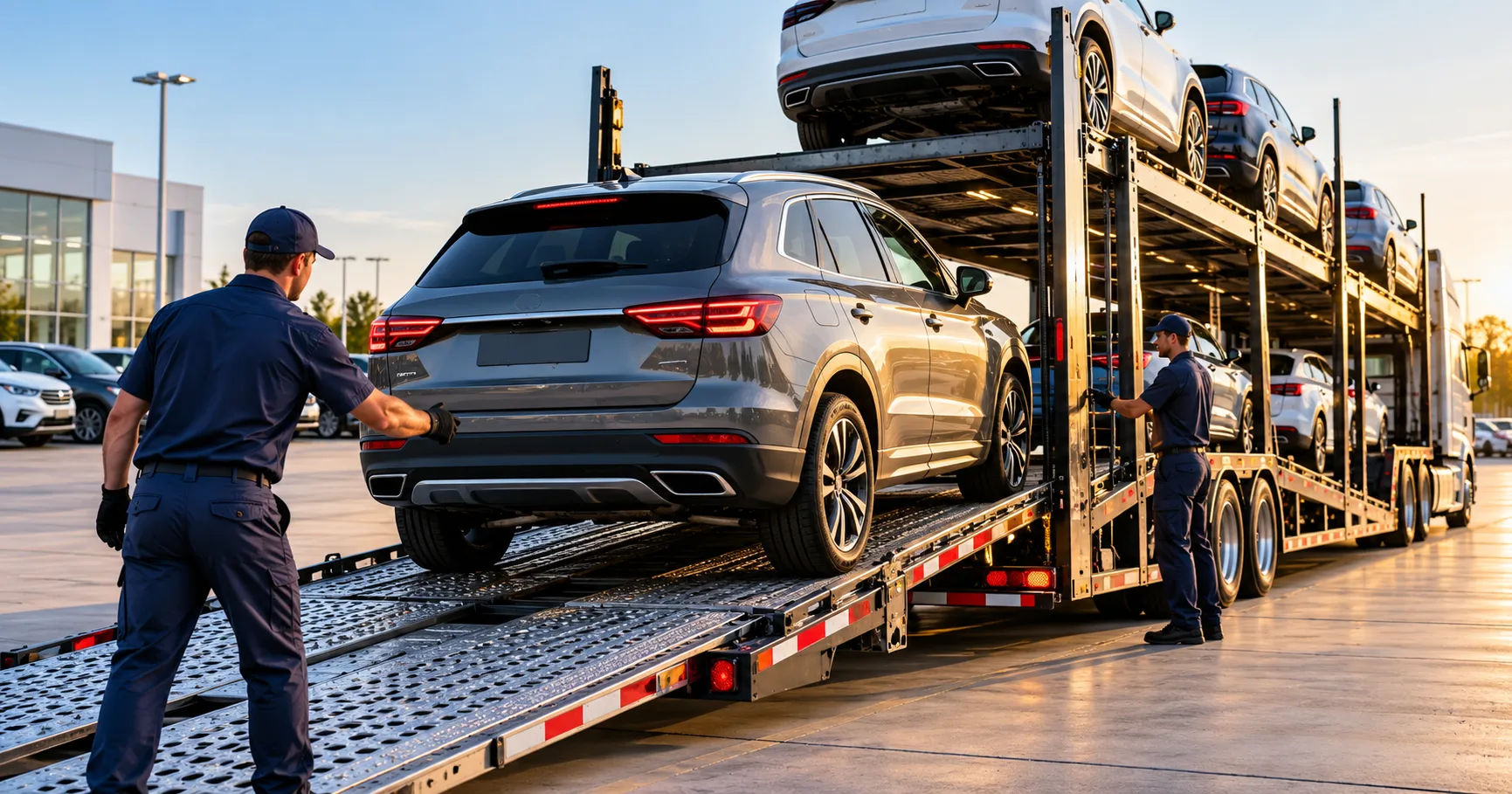
The process may seem complicated at first, especially if you have never shipped a vehicle overseas. However, breaking it into manageable steps makes it easier to organize everything before your car leaves the UK. With the right preparation, you can protect your vehicle, manage your budget, and make sure the necessary paperwork is ready when the shipment arrives.
This comprehensive guide explains how to prepare your car for international transport, what documents you may need, which shipping methods to consider, and how to plan for delivery in Namibia.
The Car Shipping Process
Before booking a shipment, it is important to understand how international vehicle transportation works. A car generally needs to be collected or delivered to a departure port in the UK, prepared for export, loaded onto a vessel, transported overseas, and cleared through customs after arriving in Namibia.
The exact process depends on the vehicle, shipping company, departure port, destination port, and applicable import regulations.
Research Import Requirements in Namibia
Start by confirming whether your vehicle is eligible for import into Namibia. Import rules can depend on the vehicle's age, condition, engine type, intended use, and country of origin.
Do not assume that every vehicle registered in the UK can automatically be imported into Namibia. Certain restrictions, permits, technical requirements, or tax obligations may apply.
Contact the relevant Namibian customs authorities or a qualified local clearing agent before paying for shipping. Ask about vehicle eligibility, import duties, value-added tax, required permits, and any inspection requirements.
This step is particularly important because discovering an import restriction after your car has departed can lead to expensive storage charges, delays, or other complications.
Confirm the Destination Port
Walvis Bay is Namibia's principal commercial seaport and an important gateway for international cargo. However, your shipping company should confirm the actual port of discharge and the arrangements for transporting your vehicle to its final destination.
If you are sending a car to Windhoek or another inland location, you may need additional road transportation after the vehicle arrives at the port.
Understanding the complete journey helps you calculate the total cost rather than focusing only on the ocean freight charge.
Choose the Right Shipping Method
One of the most important decisions is choosing how your car will travel from the UK to Namibia. The two main options for standard vehicle shipping are Roll-on/Roll-off (RoRo) and container shipping.
Roll-on/Roll-off Shipping
RoRo shipping involves driving or moving a vehicle onto a specialized vessel designed to transport cars and other wheeled cargo. The vehicle is secured inside the ship for the journey.
This method is often a cost-effective choice for standard cars that can be driven or moved safely. It may also involve a relatively straightforward loading process.
However, availability depends on the shipping route and vessel schedule. Personal belongings are generally not permitted inside vehicles shipped through RoRo services, so confirm the carrier's rules before preparing your car.
RoRo can be suitable if your priority is transporting a roadworthy vehicle without requiring a dedicated shipping container.
Container Shipping
Container shipping involves placing your car inside a secure shipping container. Depending on the provider and service, you may be able to book a dedicated container or share space with other cargo.
A dedicated container may provide greater control over how the vehicle is loaded and secured. Shared-container shipping can sometimes reduce costs by distributing transportation expenses among multiple customers.
Container shipping may be preferable for valuable vehicles, classic cars, or vehicles that need additional protection from exposure during handling. Nevertheless, the final level of protection depends on proper loading, securing, and handling procedures.
Ask for a detailed quotation covering loading, securing materials, port handling, and any container-related fees.
Compare Shipping Quotes Carefully
Request written quotations from several international vehicle shipping companies. Compare the services included rather than choosing a provider based solely on the lowest advertised price.
Check whether the quotation covers UK collection, transport to the port, export documentation, terminal handling, ocean freight, and destination charges.
Ask about estimated transit times, sailing frequency, insurance options, cancellation policies, and additional fees.
A clear quotation makes it easier to understand the full cost of car shipping from UK to Namibia and reduces the risk of unexpected expenses.
Prepare the Required Documents
Documentation is one of the most important parts of international vehicle shipping. Missing or inconsistent paperwork can delay export procedures and prevent your vehicle from being released after arrival.
Prepare your documents well before the scheduled departure date.
Vehicle Registration and Ownership Documents
You will generally need evidence of vehicle ownership and identification details. Depending on your circumstances, this may include:
-
The vehicle's V5C registration certificate or other applicable ownership documentation.
-
A valid passport or other accepted identification.
-
Proof of purchase or an invoice showing the vehicle's value.
-
Vehicle identification number (VIN), make, model, year, and engine details.
-
Export authorization or other documents required by the shipping company.
-
Any import permits or supporting documents required by Namibian authorities.
The exact requirements can vary depending on whether you own the car outright, are purchasing it for export, or are shipping a leased or financed vehicle.
If the vehicle is leased or subject to finance, obtain the necessary written permission before arranging export.
Customs and Export Paperwork
Your shipping company or customs agent can explain which UK export declarations and shipping documents are required. These may include a customs export declaration, a shipping instruction, and a bill of lading.
A bill of lading is an important transport document that records information about the shipment and serves as evidence of the carrier's receipt of the cargo under the applicable terms.
Check that the vehicle details match across all documents. Differences in the VIN, registration number, ownership information, or declared value may cause administrative problems.
Keep digital copies of every document and store the originals safely. Confirm which originals must accompany the vehicle and which can be submitted electronically.
Confirm Namibian Import Duties and Taxes
Import duties and taxes can represent a significant portion of the overall cost. The amount payable depends on the vehicle's classification, customs valuation, applicable tariff rules, and any relevant exemptions or special arrangements.
Do not calculate your budget using the vehicle's purchase price alone. Customs authorities may apply specific valuation methods and include certain transport or insurance costs when determining the taxable amount.
Ask a Namibian clearing agent for an estimate based on your vehicle's details and the current rules. Also confirm whether any additional registration, inspection, or administrative charges may apply.
Inspect and Prepare Your Vehicle
Preparing the car before shipment helps protect its condition and makes it easier to identify any damage that occurs during transportation.
Clean the Vehicle Thoroughly
Wash the exterior and clean the wheels, windows, and visible bodywork. Remove dirt that could hide scratches, dents, or paint damage.
A clean vehicle also makes inspection and photographic documentation easier.
Pay attention to the interior as well. Remove rubbish, loose objects, and unnecessary accessories that could move around during loading.
Document the Existing Condition
Take clear photographs of the vehicle from several angles. Capture the front, rear, sides, roof, wheels, interior, dashboard, and any existing damage.
Photograph the odometer reading and record the vehicle's general condition before handing it over to the shipping company.
If possible, complete a written condition report with the carrier or vehicle collection agent. Make sure existing scratches, dents, and other visible defects are recorded.
These records can be useful if you need to raise a claim after delivery.
Remove Personal Belongings
Unless the carrier and relevant authorities expressly permit otherwise, remove personal belongings from the vehicle.
Items left inside can complicate security checks, customs inspections, and insurance coverage. Some carriers prohibit personal possessions entirely, while others impose strict restrictions.
Remove valuables, important documents, electronic accessories, and loose objects. Check the boot, glove compartment, door pockets, and under-seat storage areas.
Ask the shipping company whether removable equipment, spare parts, or accessories must be declared separately.
Check Fuel and Battery Requirements
Shipping companies often impose specific rules concerning fuel levels, batteries, and vehicle operating condition.
For RoRo shipments, the vehicle may need to be operational enough to drive onto and off the vessel. The carrier may also specify a maximum permitted fuel level.
Electric and hybrid vehicles can have additional handling requirements, particularly where battery condition, charging levels, or damaged batteries are concerned.
Follow the shipping company's instructions rather than relying on general advice. Never disconnect a battery or modify vehicle systems unless the carrier or a qualified professional instructs you to do so.
Check for Leaks and Mechanical Problems
Inspect the vehicle for visible oil, coolant, fuel, or brake-fluid leaks. Tell the shipping company about any mechanical problems before collection.
A vehicle that cannot start or move may require specialist handling or additional loading equipment. This can affect both the cost and the choice of shipping method.
If repairs are necessary, arrange them before the shipping date whenever possible.
Arrange Suitable Shipping Insurance
International shipping involves handling, loading, unloading, and transportation risks. Although carriers take precautions, damage or loss can still occur.
Do not assume that the shipping price automatically includes comprehensive insurance for the full value of your vehicle.
Understand What the Policy Covers
Ask your insurer or shipping provider whether the available policy covers damage during loading, ocean transit, unloading, and other stages of transportation.
Check the policy's exclusions, deductibles, claim deadlines, and documentation requirements. Some policies exclude particular vehicle types, pre-existing damage, personal belongings, or certain mechanical problems.
Make sure the declared vehicle value is accurate and supported by suitable documentation.
Keep Evidence for Potential Claims
Retain your photographs, vehicle condition report, shipping agreement, insurance documents, and payment receipts.
When the car arrives in Namibia, inspect it carefully before signing any final delivery or release documents where the process allows.
If you notice damage, photograph it immediately and report it to the relevant carrier or insurer within the required timeframe. Keep copies of all communications.
Prompt reporting and clear evidence can make the claims process easier to manage.
Understand the Costs of Shipping a Car
A realistic budget should include every major stage of the journey, not just the price quoted for ocean freight.
Main Expenses to Consider
The overall cost may include:
-
Collection and inland transport within the UK.
-
Export preparation and documentation.
-
Port handling and loading charges.
-
RoRo or container ocean freight.
-
Marine insurance.
-
Destination port handling and storage.
-
Customs duties and applicable taxes.
-
Clearing agent fees.
-
Vehicle inspections and registration-related expenses.
-
Transport from Walvis Bay to the final destination, if required.
Not every shipment will incur every charge. The amount depends on the shipping method, vehicle size, route, service level, and applicable regulations.
Avoid Unexpected Charges
Ask your shipping company to identify charges that are excluded from the quotation. In particular, clarify destination handling, customs clearance, port storage, and demurrage or other time-related fees.
Storage charges can accumulate if paperwork is incomplete or customs clearance takes longer than expected.
Arrange for a clearing agent to review your documents before the vessel arrives. This preparation can reduce the likelihood of preventable delays.
Request written confirmation of payment deadlines and the documents needed to release the vehicle.
Plan the Shipping Schedule
International vehicle shipping requires flexibility. Departure dates, vessel schedules, port operations, customs processing, and inland delivery arrangements can all affect the timeline.
Book in Advance
Contact shipping companies several weeks before your preferred departure date, or earlier during busy periods.
Advance planning gives you more time to compare quotes, confirm import eligibility, arrange insurance, and obtain missing documents.
Avoid making important travel or collection arrangements based on an unconfirmed arrival date.
Allow Time for Customs Clearance
The vessel's arrival does not necessarily mean your car will be available for collection immediately.
Customs authorities may need to review documents, assess duties, or inspect the vehicle. Port operators and clearing agents may also need time to complete their procedures.
Ask your shipping company for an estimated transit time and your clearing agent for an estimate of destination processing time. Treat both as estimates rather than guarantees.
Coordinate Final Delivery
If you live outside Walvis Bay, arrange onward transportation before the vehicle arrives.
Confirm the delivery address, access arrangements, transport charges, and whether the vehicle will be delivered directly or collected from a designated location.
If you intend to drive the vehicle after clearance, verify the applicable registration, roadworthiness, insurance, and licensing requirements first.
Choose a Reliable Car Shipping Company
The shipping provider you choose can significantly affect the experience.
Check Experience and Reputation
Look for a company with experience handling international vehicle shipments and a clear understanding of UK export procedures and Namibian import requirements.
Read independent customer reviews and check how the company responds to complaints. Ask for written terms and conditions, proof of relevant insurance arrangements, and clear contact details.
Be cautious of providers that offer unusually low prices without explaining what their service includes.
Ask Important Questions Before Booking
Before signing an agreement, ask:
-
Which shipping method will be used?
-
Which UK port and Namibian destination port are involved?
-
What is included in the quotation?
-
What documents must I supply?
-
Is the vehicle insured, and what exclusions apply?
-
What happens if the sailing is delayed?
-
Who handles customs clearance in Namibia?
-
What additional charges could arise?
-
How will I receive shipment updates?
A professional company should be able to explain its process clearly and provide written answers.
Common Mistakes to Avoid
Even a well-planned shipment can become expensive if important details are overlooked.
Booking Before Checking Import Eligibility
Never assume that a vehicle can be imported simply because it can legally be exported from the UK. Confirm Namibian requirements before making non-refundable payments.
Providing Incomplete Documentation
Incorrect vehicle details, missing ownership documents, and incomplete declarations can cause delays. Review the paperwork carefully and ask your shipping agent to check it before departure.
Choosing Only by Price
The cheapest quotation may exclude insurance, port charges, or destination services. Compare the total expected cost and the quality of support before making a decision.
Ignoring the Vehicle's Condition
Failing to photograph existing damage or report mechanical issues can complicate disputes later. Record the condition carefully before the vehicle leaves your possession.
Underestimating Customs and Storage Costs
A shipment can incur additional expenses if duties are higher than expected or paperwork is delayed. Obtain a realistic estimate and keep some room in your budget for unexpected costs.
Final Checklist Before Your Car Leaves the UK
Use this checklist to confirm that the main preparations are complete.
-
Confirm that the vehicle is eligible for import into Namibia.
-
Obtain a written shipping quotation.
-
Choose RoRo or container shipping.
-
Confirm the departure and destination ports.
-
Prepare ownership, identification, and export documents.
-
Verify applicable duties, taxes, and import permits.
-
Clean the vehicle and photograph its condition.
-
Remove personal belongings and prohibited items.
-
Follow the carrier's fuel and battery instructions.
-
Arrange appropriate insurance.
-
Confirm collection arrangements and departure dates.
-
Coordinate with a Namibian customs clearing agent.
-
Keep copies of the shipping agreement and payment receipts.
-
Plan customs clearance and onward delivery.
Completing these tasks before the vehicle is collected can make the shipping process much more manageable.
Conclusion
Preparing for Car shipping from UK to Namibia is easier when you approach the process systematically. Start by confirming that your vehicle meets Namibian import requirements, then select a suitable shipping method, gather the necessary documentation, and prepare the vehicle for international transport.
Pay close attention to ownership records, customs declarations, insurance conditions, and the vehicle's documented condition. These details can help prevent avoidable delays and provide useful evidence if a problem occurs during transit.
Your budget should include more than ocean freight. Account for collection, port handling, customs duties, taxes, insurance, clearing agent fees, and onward delivery where necessary. Obtaining detailed quotations and confirming destination charges in advance will help you understand the real cost of the shipment.
Finally, work with an experienced shipping company and coordinate with a qualified Namibian clearing agent. Confirm important requirements with the relevant authorities because import rules and procedures can change.
With careful preparation, accurate paperwork, and a realistic schedule, you can make the journey from the UK to Namibia more organized and reduce the risk of unexpected expenses. Taking time to plan each stage before your vehicle leaves the UK is one of the most effective ways to protect your investment and ensure a smoother international shipping experience.